


Georgina Health
All services

Genicular Artery Embolization (GAE) Treatment in Fort Myers and Naples

Minimally Invasive Treatment for Osteoarthritis Knee Pain in Fort Myers & Naples

Chronic knee pain can make ordinary activities, such as walking, exercising, climbing stairs, shopping, or simply getting through the day, feel increasingly difficult.

If physical therapy, medications, injections, and other conservative treatments haven't provided enough relief, but you're not ready or able to undergo knee replacement, Genicular Artery Embolization (GAE) may offer another option.

At Georgina Health, our interventional team provides image-guided GAE for appropriately selected patients with knee osteoarthritis. Rather than replacing or surgically altering the joint, the procedure targets abnormal blood vessels associated with inflammation around the knee.

A man seated on a stair with a hand on his knee

Treatment at a glance

Knee Arthritis Treatment Without Surgery

GAE provides selected patients with a minimally invasive approach to osteoarthritis-related pain.

  • Minimally Invasive

    Treatment is performed through a small catheter rather than a surgical incision in the knee.

  • Joint Preserving

    GAE doesn't remove or replace the natural knee joint.

  • Image-Guided Precision

    Advanced imaging allows treatment to target abnormal blood vessels around painful areas of the knee.

  • Outpatient Treatment

    GAE is generally performed without an overnight hospital stay.

  • An Option Between Conservative Care & Surgery

    For selected patients, GAE may provide another treatment option when conservative therapy hasn't provided adequate relief.

A person holding their knee over their jeans

Knee Osteoarthritis: The Condition GAE Treats

When Knee Pain Begins Limiting Your Life

Osteoarthritis is a degenerative joint condition involving changes to cartilage, bone, and other tissues within the knee.

Inflammation also plays an important role.

For some people with knee osteoarthritis, chronic inflammation is associated with increased abnormal blood flow and the development of small new blood vessels around the lining of the knee joint.

Symptoms may include:

  • Persistent knee pain
  • Pain during walking or exercise
  • Pain while climbing stairs
  • Knee stiffness
  • Swelling
  • Reduced range of motion
  • Discomfort after periods of inactivity
  • Difficulty exercising
  • Reduced mobility
  • Limitations in everyday activities

GAE targets abnormal blood vessels associated with inflammatory processes around the knee rather than surgically altering the joint.

The GAE Knee Procedure: How It Works and What to Expect

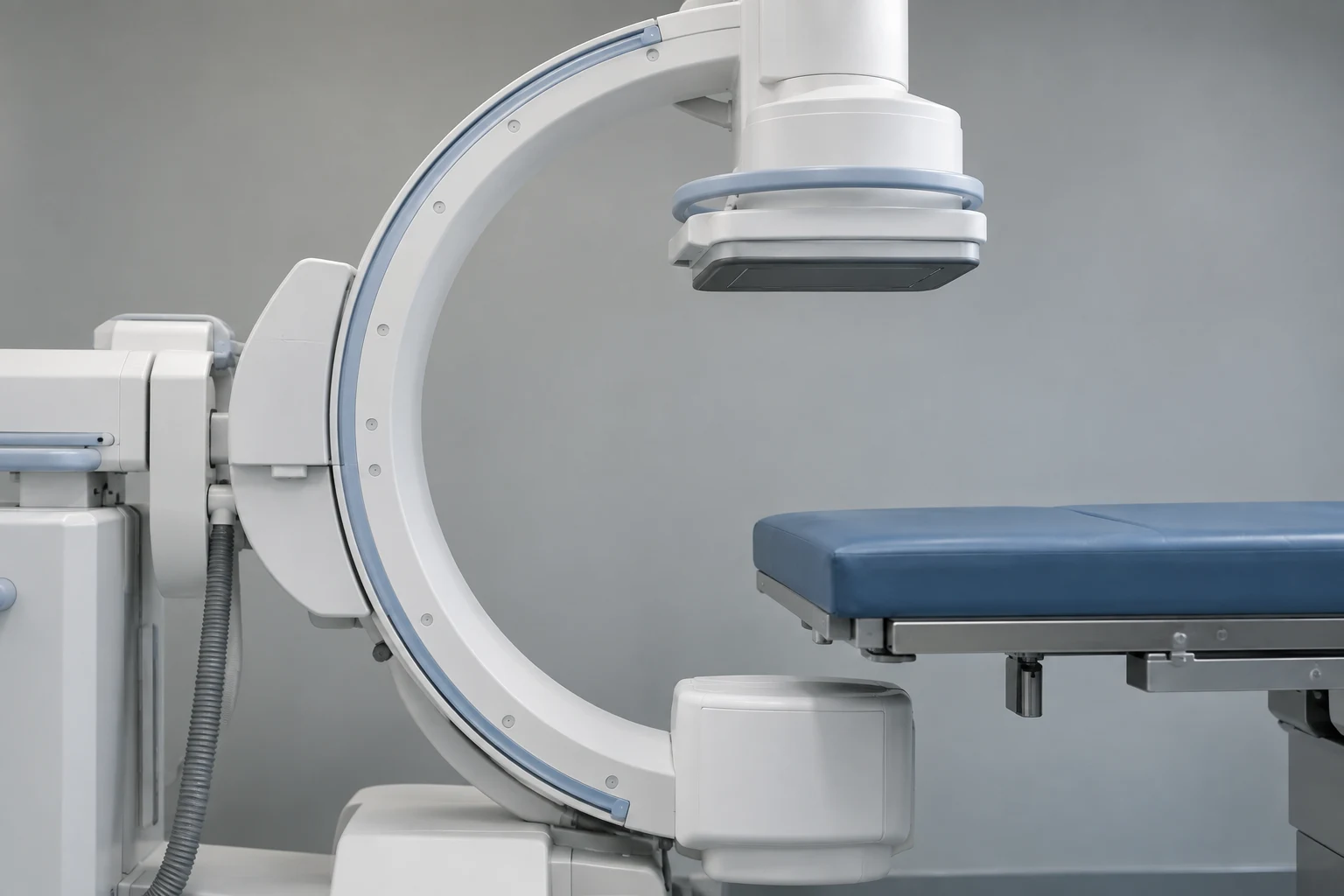
Illustrative fluoroscopy equipment beside a procedure table

What Is Genicular Artery Embolization?

GAE is a minimally invasive procedure performed by an interventional radiologist.

The genicular arteries are small blood vessels that supply tissues around the knee.

During GAE, advanced imaging is used to identify abnormal blood flow associated with inflamed areas of the osteoarthritic knee.

Tiny embolic particles are selectively delivered into these vessels to reduce the abnormal blood supply.

The goal is to decrease inflammatory and pain-related signaling without replacing or surgically opening the knee joint.
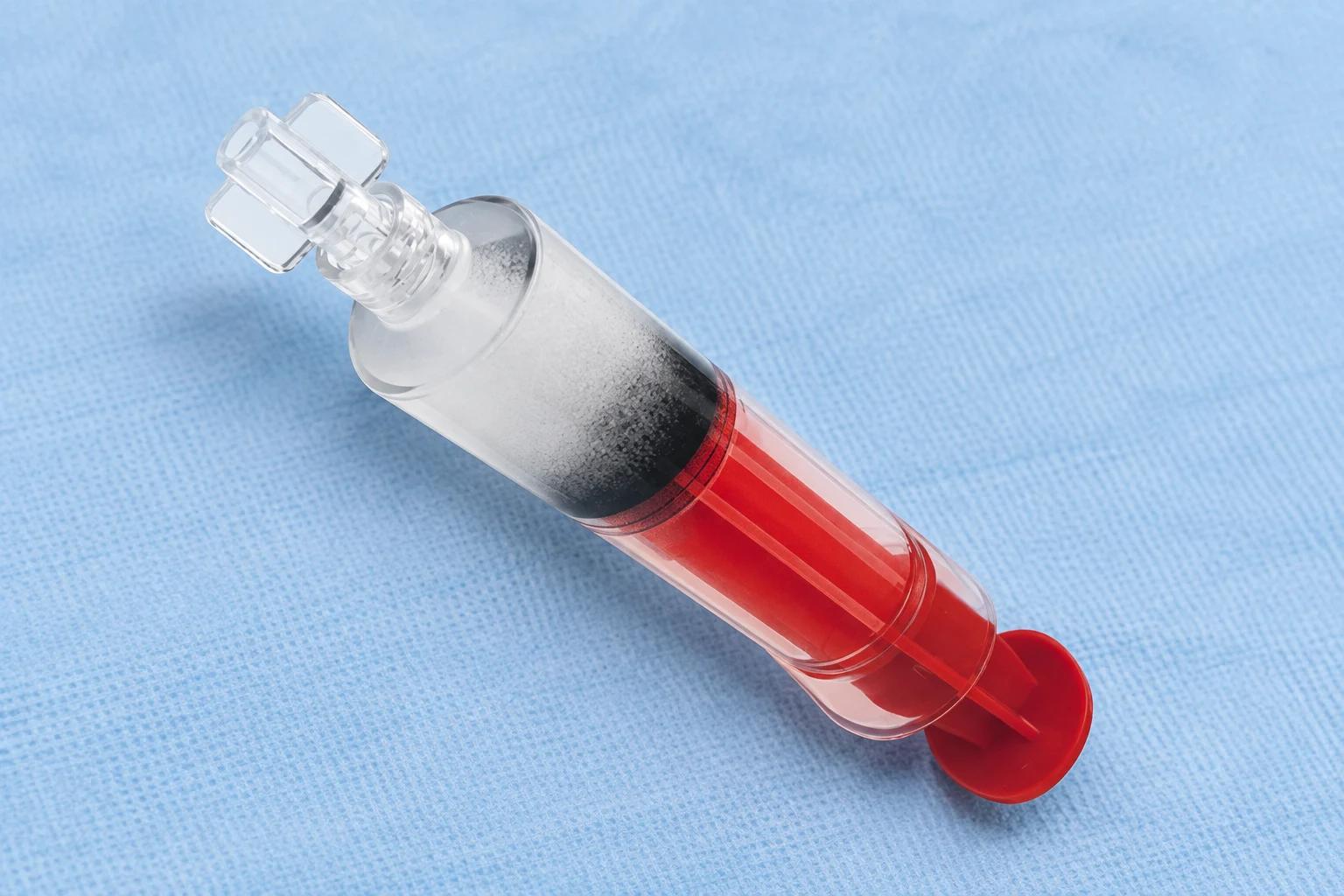

Illustration of a capped embolization microsphere syringe

What Happens During GAE?

Before treatment, the Georgina Health team evaluates your symptoms, previous treatment, imaging, overall health, and arthritis severity.

During the procedure:

  1. A small arterial access point is created.
  2. A thin catheter is guided through the blood vessels using advanced imaging.
  3. The physician identifies abnormal blood vessels supplying painful areas around the knee.
  4. Small embolic particles are selectively delivered to the targeted vessels.
  5. Abnormal blood flow associated with inflammation is reduced.
  6. The catheter is removed and the access site is closed.

GAE is generally performed with local anesthesia and sedation.

Because the knee isn't surgically opened or replaced, recovery is typically much less extensive than recovery from joint replacement surgery.

Older adults walking through a park carrying exercise mats

What Symptoms May GAE Help Improve?

GAE may be considered for appropriately selected patients experiencing:

  • Chronic osteoarthritis knee pain
  • Pain with walking
  • Pain while climbing stairs
  • Pain that interferes with exercise
  • Stiffness and discomfort after inactivity
  • Knee symptoms that persist despite conservative treatment
  • Osteoarthritis-related pain that limits everyday activities

GAE for Knee Pain: What the Research Says

Clinical research into GAE has expanded substantially.

Observational studies and clinical trials have reported improvements in pain and function in selected patients with knee osteoarthritis, and in 2026 the Society of Interventional Radiology issued a position statement supporting GAE as a minimally invasive option for symptomatic knee osteoarthritis after conservative therapy has failed, particularly when patients are not candidates for or wish to delay knee replacement.

However, GAE remains an evolving area of medicine. Controlled trials have produced varying results, and researchers continue studying which patients are most likely to benefit and how long improvements persist.

GAE should therefore not be viewed as a replacement for every other osteoarthritis treatment.

Careful patient selection remains essential.

Illustrative lifestyle scene of everyday activities

Are You a Candidate for GAE?

GAE may be worth considering if:

  • You've been diagnosed with knee osteoarthritis.
  • Chronic knee pain limits your mobility or daily activities.
  • Physical therapy, medication, injections, or other conservative treatments haven't provided enough relief.
  • You want to explore a minimally invasive treatment.
  • You're not currently an appropriate candidate for knee replacement.
  • You want to discuss options that may help delay more invasive treatment.
  • You prefer a procedure that preserves the natural knee joint.

Not every type of knee pain can be treated with GAE. Structural injuries, infection, severe mechanical problems, and other conditions may require a different approach.

Why Choose Georgina Health for GAE?

Genicular Artery Embolization requires advanced image guidance, detailed vascular knowledge, and precise navigation of the small arteries around the knee.

  1. 01

    Interventional Expertise

    Our team specializes in minimally invasive catheter-based procedures.

  2. 02

    Image-Guided Precision

    Real-time imaging allows the physician to identify abnormal blood vessels and deliver targeted treatment.

  3. 03

    Careful Patient Selection

    GAE isn't appropriate for every person with knee pain. We assess the cause of your symptoms before recommending intervention.

  4. 04

    Whole-Patient Treatment Planning

    We consider your arthritis, previous care, medical history, mobility, and personal goals.

  5. 05

    Outpatient-Focused Care

    GAE provides a minimally invasive option without surgically opening or replacing the knee joint.

Take the Next Step Toward Better Mobility

Persistent knee pain can gradually shrink your world.

If osteoarthritis continues to interfere with walking and everyday activities despite conservative treatment, Georgina Health can help you determine whether GAE belongs among your options.

Frequently Asked Questions

Is GAE knee surgery?

No. GAE is a minimally invasive vascular procedure. The knee joint is not surgically opened.

How does GAE work?

GAE selectively reduces abnormal blood flow associated with inflammatory processes around the osteoarthritic knee.

Does GAE cure osteoarthritis?

No. GAE doesn't restore lost cartilage or reverse structural osteoarthritis. Its goal is to improve symptoms in selected patients.

How quickly does GAE work?

Response varies. Improvement may develop over the weeks following treatment rather than immediately.

Can GAE replace knee replacement?

GAE isn't a substitute for knee replacement in every patient. It may provide an additional treatment option for selected patients who aren't ready or appropriate for joint replacement.

Can I still have knee replacement after GAE?

GAE generally does not prevent a future knee replacement if one becomes appropriate.

Does everyone experience relief after GAE?

No. Outcomes vary, and clinical research continues to identify which patients are most likely to benefit.

Is GAE covered by insurance?

Coverage varies according to the insurer, plan, indication, and medical necessity. Our team can help you investigate your benefits.

Genicular Artery Embolization in Fort Myers & Naples

Georgina Health provides minimally invasive image-guided care for patients in Fort Myers, Naples, and throughout Southwest Florida.

If knee osteoarthritis pain continues to limit your mobility despite conservative treatment, our team can help you explore whether GAE may be an appropriate option.