


Georgina Health
All services

Prostate Artery Embolization in Fort Myers and Naples

Minimally Invasive Treatment for Enlarged Prostate in Fort Myers & Naples

Living with an enlarged prostate can mean planning your day around the nearest bathroom, waking repeatedly throughout the night, or dealing with a weak or interrupted urine stream.

If medications are no longer providing enough relief or you're looking for an alternative to traditional prostate surgery, Prostate Artery Embolization (PAE) may offer another option.

At Georgina Health, our vascular and interventional team provides image-guided PAE for appropriately selected patients with urinary symptoms caused by Benign Prostatic Hyperplasia (BPH). The procedure reduces blood flow to targeted areas of the prostate, allowing the enlarged tissue to gradually shrink and potentially reducing pressure on the urinary tract.

An older man awake early after interrupted sleep

Treatment at a glance

Enlarged Prostate Treatment Without Surgery

PAE offers appropriately selected patients a minimally invasive approach to treating an enlarged prostate.

  • Minimally Invasive

    Performed through a small catheter rather than traditional surgical incisions.

  • Image-Guided Precision

    Advanced imaging allows the interventional radiologist to identify and selectively treat arteries supplying the prostate.

  • No Prostate Tissue Surgically Removed

    PAE works by reducing blood flow to targeted prostate tissue rather than cutting or removing the tissue.

  • Outpatient Treatment

    PAE can typically be performed without an overnight hospital stay.

  • Focused on Quality of Life

    Treatment is designed to reduce bothersome urinary symptoms and help patients return to their everyday routines.

An older man taking notes during a phone call

Understanding BPH and Enlarged Prostate Symptoms

When an Enlarged Prostate Begins Affecting Everyday Life

Benign Prostatic Hyperplasia is a noncancerous enlargement of the prostate that becomes increasingly common with age.

As the prostate enlarges, it can place pressure on the urethra and interfere with normal urine flow.

For some men, symptoms remain manageable. For others, they begin affecting sleep, work, travel, exercise, and daily activities.

Common symptoms include:

  • Frequent urination
  • Urinary urgency
  • Waking multiple times during the night to urinate
  • Difficulty starting urination
  • Weak or interrupted urine stream
  • Straining to urinate
  • Dribbling after urination
  • Feeling that the bladder has not completely emptied

PAE targets the enlarged prostate by reducing blood flow to selected tissue. As that tissue shrinks over time, pressure on the urethra may decrease and urinary symptoms may improve.

The PAE Procedure: How It Works and What to Expect

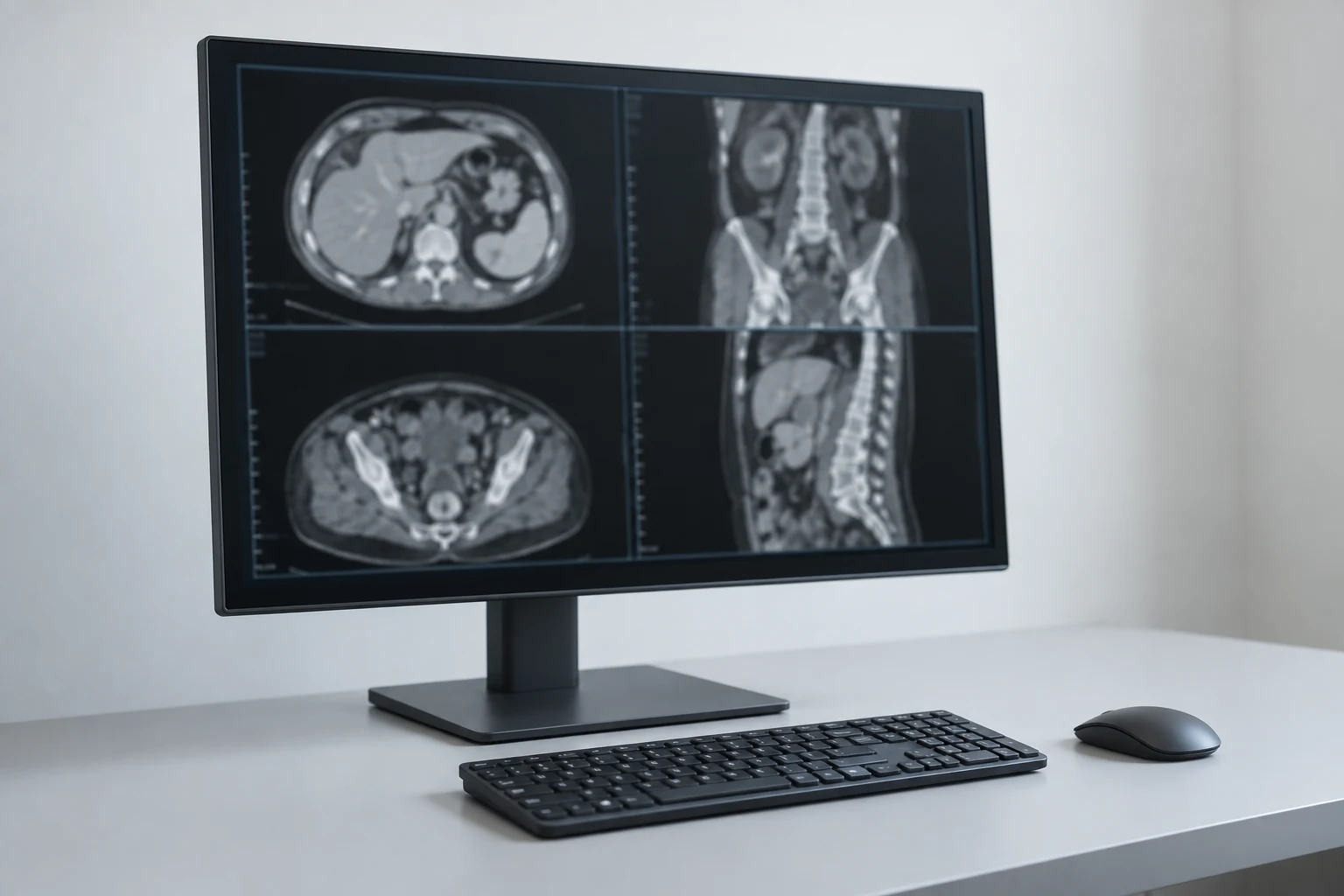
Illustrative medical imaging workstation for treatment planning

What Is Prostate Artery Embolization?

PAE is a minimally invasive, image-guided procedure performed by an interventional radiologist.

Rather than surgically removing prostate tissue, PAE treats BPH from within the blood vessels.

Using a small catheter, the physician navigates to the arteries supplying the prostate and delivers microscopic embolic particles. These particles reduce blood flow to selected areas of the prostate.

Over time, the targeted tissue can shrink, potentially reducing pressure around the urethra and improving urinary symptoms.


A patient resting at home

What Happens During PAE?

PAE begins with a comprehensive evaluation to determine whether the procedure is appropriate for your symptoms, anatomy, prostate size, health history, and treatment goals.

During the procedure:

  1. A small arterial access point is created, commonly at the wrist or groin.
  2. A thin catheter is guided through the arteries using advanced imaging.
  3. The blood vessels supplying the prostate are identified.
  4. Tiny embolic particles are delivered into selected arteries.
  5. Blood flow to targeted prostate tissue is reduced.
  6. The catheter is removed and the access site is closed.

PAE is generally performed with local anesthesia and sedation rather than the general or spinal anesthesia commonly associated with more invasive prostate procedures.

Because there are no large surgical incisions, patients can commonly return home after treatment. Recovery varies, and the Georgina Health team will provide individualized instructions.

A patient spending a quiet moment outdoors

What Symptoms Can PAE Improve?

PAE may help appropriately selected patients experiencing:

  • Frequent urination
  • Urinary urgency
  • Frequent nighttime urination
  • Weak urine stream
  • Difficulty starting urination
  • Interrupted urine flow
  • Straining
  • Incomplete bladder emptying
  • BPH symptoms that have not responded adequately to medication

PAE vs TURP: Research and Treatment Considerations

PAE has been evaluated extensively as a minimally invasive treatment for lower urinary tract symptoms associated with BPH.

Clinical studies have found that appropriately selected patients can experience meaningful improvements in urinary symptoms and quality of life following treatment.

Comparisons with procedures such as Transurethral Resection of the Prostate (TURP) show that the treatments have different strengths. TURP may produce greater improvements in certain objective measures, including urinary flow and prostate-volume reduction, while PAE offers a less invasive approach without surgically removing prostate tissue.

The Society of Interventional Radiology has recognized PAE as an established minimally invasive treatment option for appropriately selected patients with BPH.

The right approach depends on the individual patient. That's why Georgina Health considers your symptoms, anatomy, health history, previous treatments, and goals before recommending PAE.

Illustrative lifestyle scene of everyday activities

Are You a Candidate for PAE?

PAE may be worth considering if:

  • You've been diagnosed with BPH.
  • Urinary symptoms interfere with your sleep or daily activities.
  • Medication isn't providing enough relief.
  • Medication is causing unwanted side effects.
  • You want to explore a minimally invasive alternative to traditional prostate surgery.
  • You would prefer an approach that doesn't surgically remove prostate tissue.
  • You have an enlarged prostate and want to understand all appropriate treatment options.

Not every person with urinary symptoms is an appropriate candidate for PAE. Similar symptoms can have other causes, making a thorough evaluation important before treatment.

Why Choose Georgina Health for PAE?

Prostate Artery Embolization requires detailed knowledge of vascular anatomy, advanced imaging, and the ability to navigate small and complex arteries with precision.

At Georgina Health, PAE is part of our broader approach to minimally invasive vascular and interventional medicine.

  1. 01

    Interventional Radiology Expertise

    Our team has specialized experience in advanced catheter-based and image-guided procedures.

  2. 02

    Advanced Image-Guided Care

    Detailed imaging helps our physicians identify the arteries supplying the prostate and deliver targeted treatment.

  3. 03

    Personalized Treatment Planning

    Not every patient with BPH needs the same treatment. We evaluate your symptoms, anatomy, medical history, previous care, and goals.

  4. 04

    Whole-Patient Approach

    Treatment recommendations are based on the complete patient—not simply prostate size or a single symptom.

  5. 05

    Outpatient-Focused Care

    Whenever clinically appropriate, we provide advanced minimally invasive treatment in a patient-centered outpatient environment.

Take the Next Step Toward BPH Relief

You don't have to keep organizing your life around urinary symptoms.

If medications aren't providing enough relief or you're interested in an alternative to traditional prostate surgery, Georgina Health can help you determine whether PAE belongs among your options.

Meet with our team to discuss your symptoms, understand your choices, and develop a plan centered around your health and goals.

Frequently Asked Questions

Is Prostate Artery Embolization major surgery?

No. PAE is a minimally invasive procedure performed through a small arterial access point. It does not require traditional prostate surgery or surgical removal of prostate tissue.

How does PAE shrink the prostate?

Microscopic particles are delivered into selected arteries supplying the prostate. Reducing blood flow causes targeted tissue to gradually shrink.

How quickly will I notice results?

PAE doesn't shrink the prostate immediately. Symptom improvement typically develops gradually as the prostate responds to treatment.

Will I be awake during PAE?

PAE is generally performed using local anesthesia and sedation. Your care team will discuss the planned medications and anesthesia before your procedure.

Is PAE better than TURP?

Neither procedure is universally better. TURP may offer greater improvement in certain objective urinary measures, while PAE offers a minimally invasive treatment without surgical removal of prostate tissue. The appropriate option depends on your individual circumstances.

Does PAE affect sexual function?

PAE does not involve surgically removing prostate tissue, and some studies have reported favorable sexual-function outcomes compared with traditional surgical approaches. Individual outcomes vary.

How long does recovery take?

Recovery varies, but PAE generally involves less procedural recovery than traditional prostate surgery.

Does insurance cover PAE?

Coverage varies based on insurance plan, diagnosis, medical necessity, and other factors. The Georgina Health team can help verify your benefits.

Prostate Artery Embolization in Fort Myers & Naples

Georgina Health provides advanced vascular and minimally invasive interventional care for patients in Fort Myers, Naples, and throughout Southwest Florida.

If BPH symptoms are affecting your sleep, everyday activities, or quality of life, our team can help you explore your options and determine whether PAE may be appropriate.