
Georgina Health
All services

Varicose Vein Treatment in Fort Myers and Naples

Comprehensive Vein Treatment in Fort Myers & Naples

Aching legs. Persistent swelling. Heaviness after a long day. Bulging veins that seem to become more noticeable over time.

Varicose veins aren't always simply a cosmetic concern. For many patients, visible veins and persistent leg symptoms are signs of an underlying circulation problem known as chronic venous insufficiency.

At Georgina Health, our vascular team looks beneath the surface to understand how blood is moving through your legs. Using advanced vascular imaging and minimally invasive treatments, we identify the source of venous disease and create a personalized treatment plan based on your circulation, symptoms, and goals.

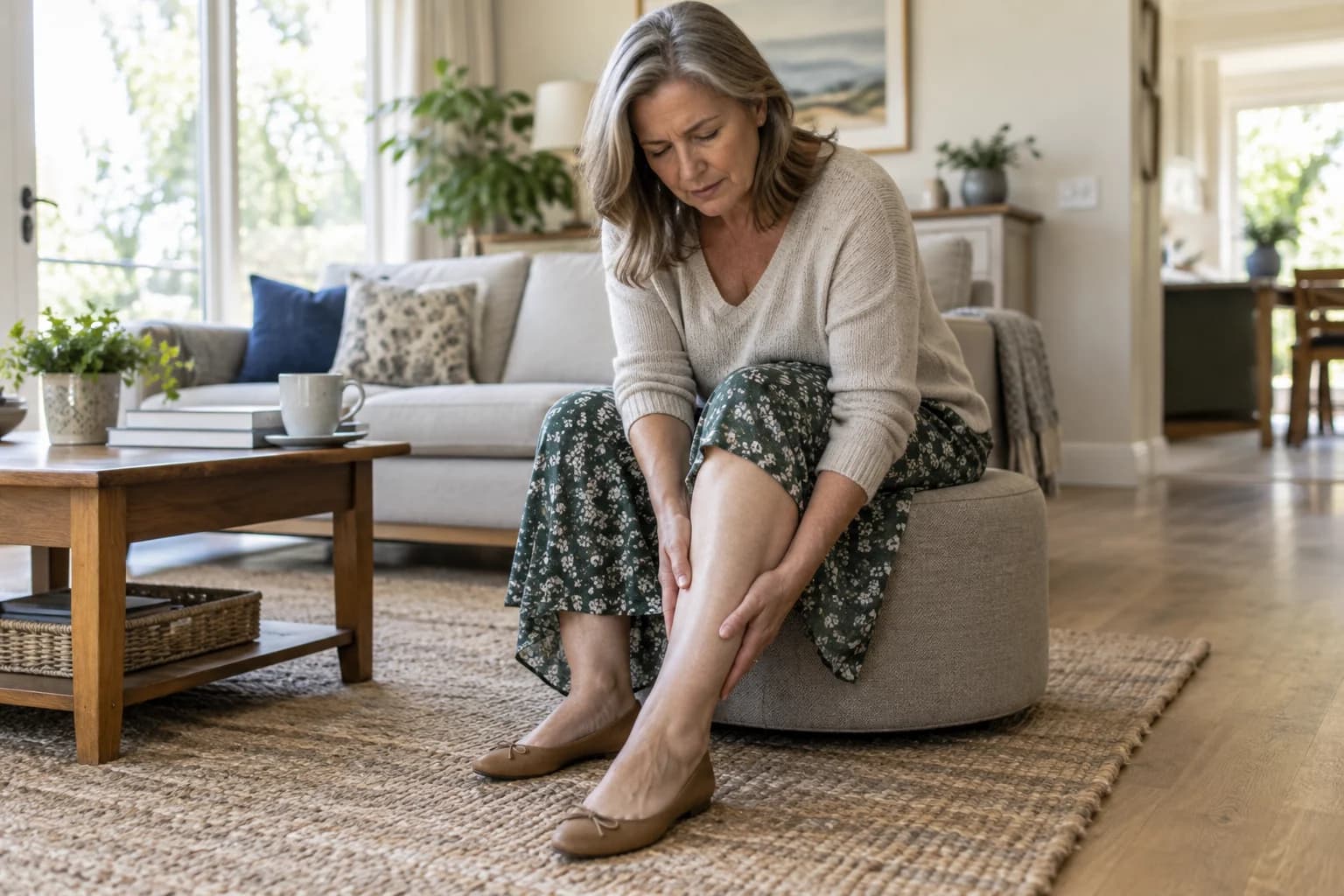
A woman resting her aching leg at home

Treatment at a glance

Chronic Venous Insufficiency Treatment Without Vein-Stripping Surgery

Modern vein care can treat many forms of venous disease without traditional vein-stripping surgery.

  • Minimally Invasive

    Many treatments require only a needle or small catheter.

  • Ultrasound-Guided Evaluation

    Duplex ultrasound can identify venous reflux and determine which veins may be contributing to symptoms.

  • Multiple Treatment Options

    Different types of abnormal veins may respond best to different procedures.

  • Outpatient Care

    Many modern vein treatments can be performed without an overnight hospital stay.

  • Medical & Cosmetic Improvement

    Treatment may improve symptoms while also reducing the appearance of problematic veins.

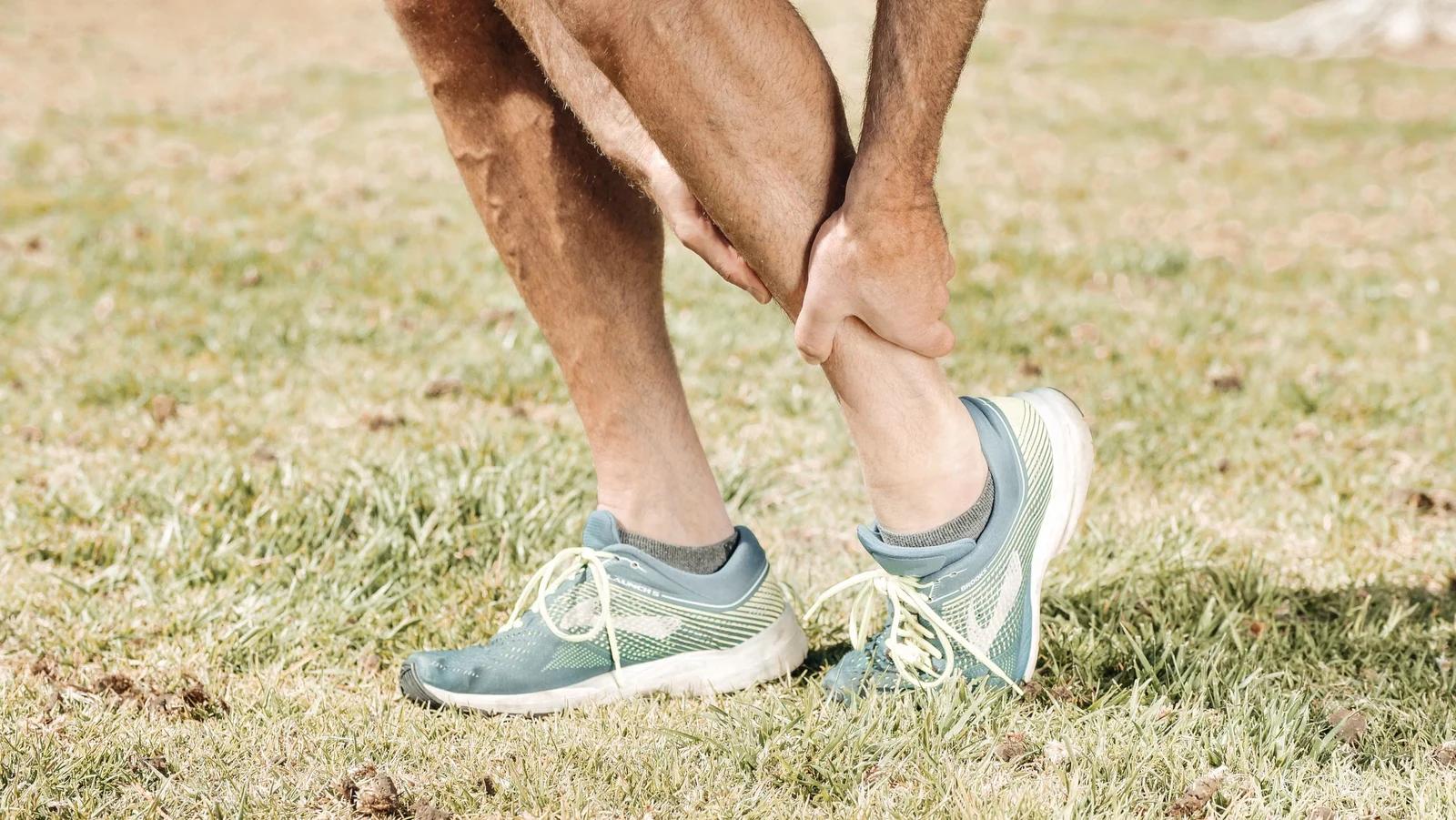
A person holding their calf outdoors

Varicose Veins & Chronic Venous Insufficiency

The Problem May Begin Beneath the Surface

Veins carry blood from the legs back toward the heart.

Small valves inside these veins help keep blood moving in the correct direction.

When the valves become damaged or weakened, blood may flow backward and pool within the legs. This is known as venous reflux and can contribute to chronic venous insufficiency.

Over time, increased pressure can cause veins to enlarge and lead to symptoms including:

  • Bulging or twisted varicose veins
  • Aching or throbbing legs
  • Leg heaviness or fatigue
  • Swelling around the ankles or lower legs
  • Burning or itching
  • Leg cramping
  • Symptoms that worsen after prolonged standing
  • Skin discoloration around the ankles
  • Dry, irritated, or thickened skin
  • Venous wounds in more advanced disease

Treating the visible vein without understanding the circulation underneath it may not address the entire problem.

What You Need to Know About Vein Care

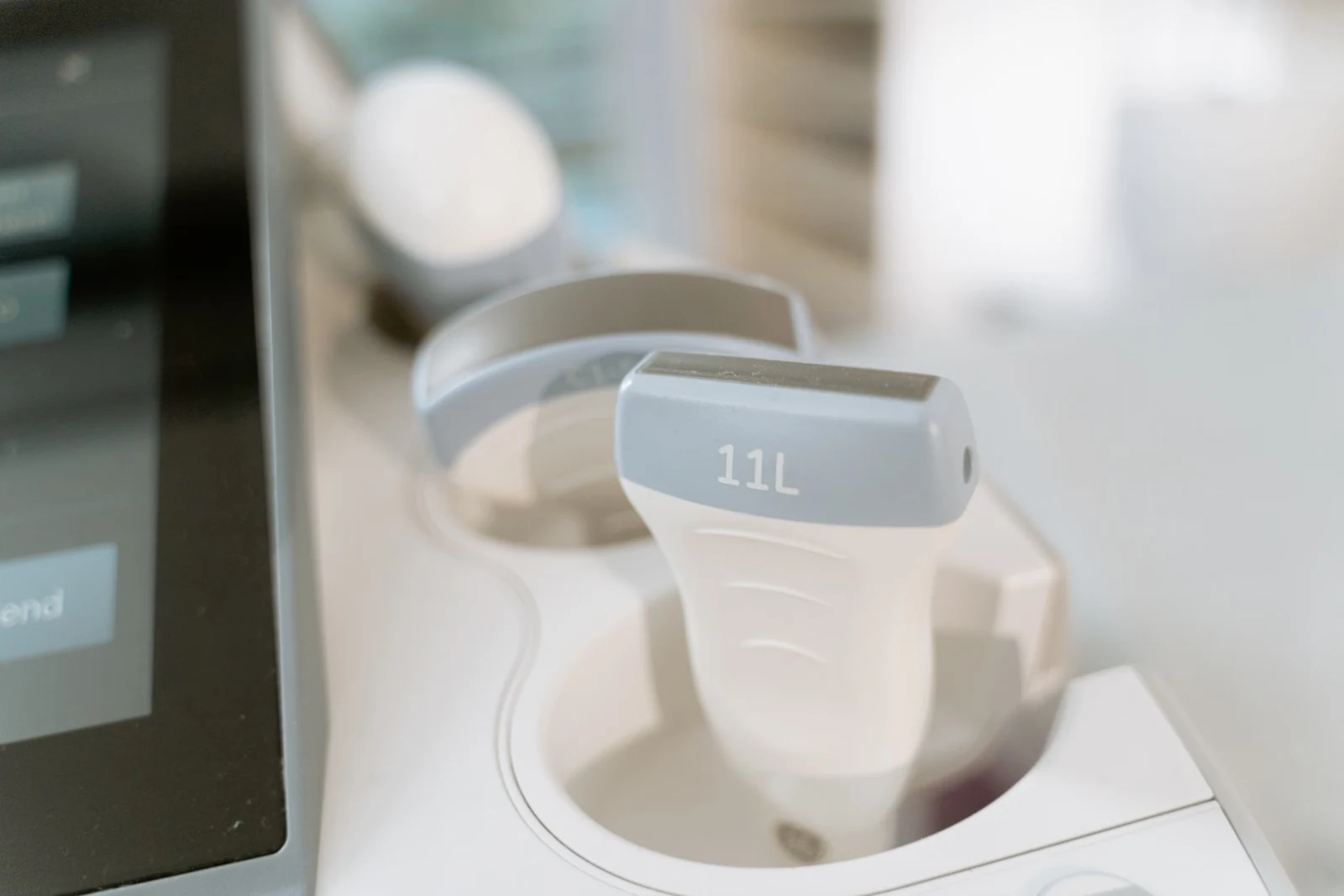
A linear ultrasound probe in its holder

How Are Varicose Veins Evaluated?

Your evaluation begins with your symptoms, medical history, physical examination, and treatment goals.

For patients with suspected venous insufficiency, duplex ultrasound may be used to assess:

  • Direction of blood flow
  • Function of vein valves
  • Areas of venous reflux
  • Vein size and anatomy
  • Possible obstruction or clot
  • Which veins may be contributing to symptoms

The results help determine whether treatment is necessary and which approach may be most appropriate.
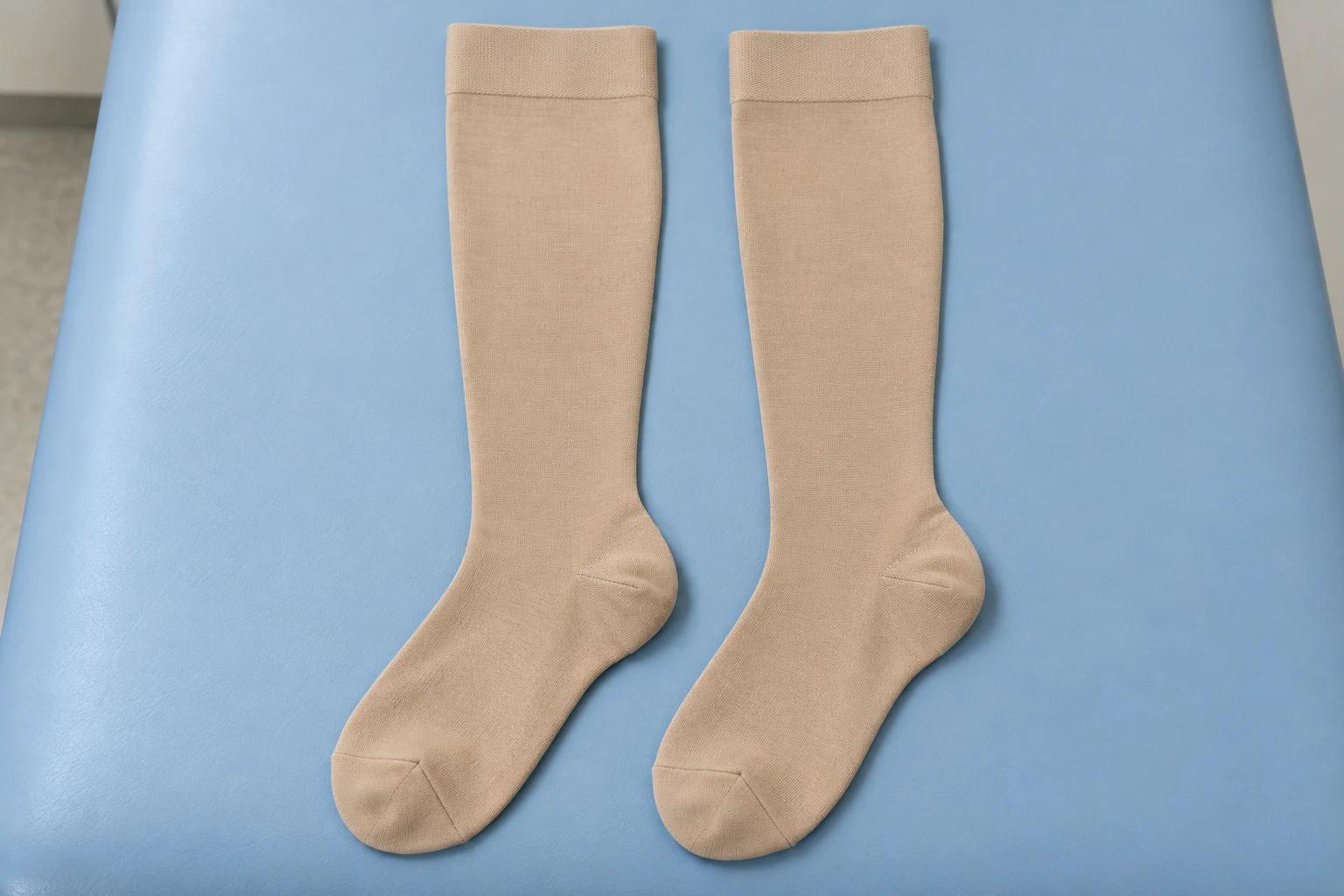
Illustrative pair of knee-high compression stockings

What Treatments Are Available?

Georgina Health offers treatment options based on the type and location of the abnormal veins.

Radiofrequency Ablation

A thin catheter delivers controlled thermal energy to close a refluxing superficial vein. Blood naturally redirects through healthy veins.

Varithena

Varithena is an injectable polidocanol microfoam used for certain incompetent superficial veins and associated varicosities.

Sclerotherapy

A sclerosant is injected into selected veins, causing them to close and gradually fade. Sclerotherapy is commonly used for smaller varicose, reticular, and spider veins.

Compression Therapy

Compression garments can support venous circulation and help reduce swelling and discomfort. Compression may be used alone or alongside procedural treatment depending on the patient.

A patient spending a quiet moment outdoors

What Symptoms May Vein Treatment Improve?

Appropriate treatment may help patients experiencing:

  • Aching
  • Heaviness
  • Throbbing
  • Leg fatigue
  • Swelling
  • Burning or itching
  • Pain associated with varicose veins
  • Certain skin changes associated with venous disease
  • Problems related to venous ulcers

Endovenous Ablation: What the Research Says

Modern clinical guidelines support minimally invasive endovenous treatment for appropriately selected patients with symptomatic superficial venous reflux.

For patients with symptomatic varicose veins and axial reflux who are appropriate candidates for intervention, endovenous ablation techniques have largely replaced traditional vein stripping as first-line procedural approaches.

Duplex ultrasound plays an important role in evaluating venous reflux and planning treatment.

Treatment still needs to be individualized. Thermal ablation, nonthermal treatment, sclerotherapy, conservative management, and other techniques each have different roles depending on vein anatomy, symptoms, health history, and patient preferences.

Visible veins alone don't always indicate that an underlying medical problem requires treatment.

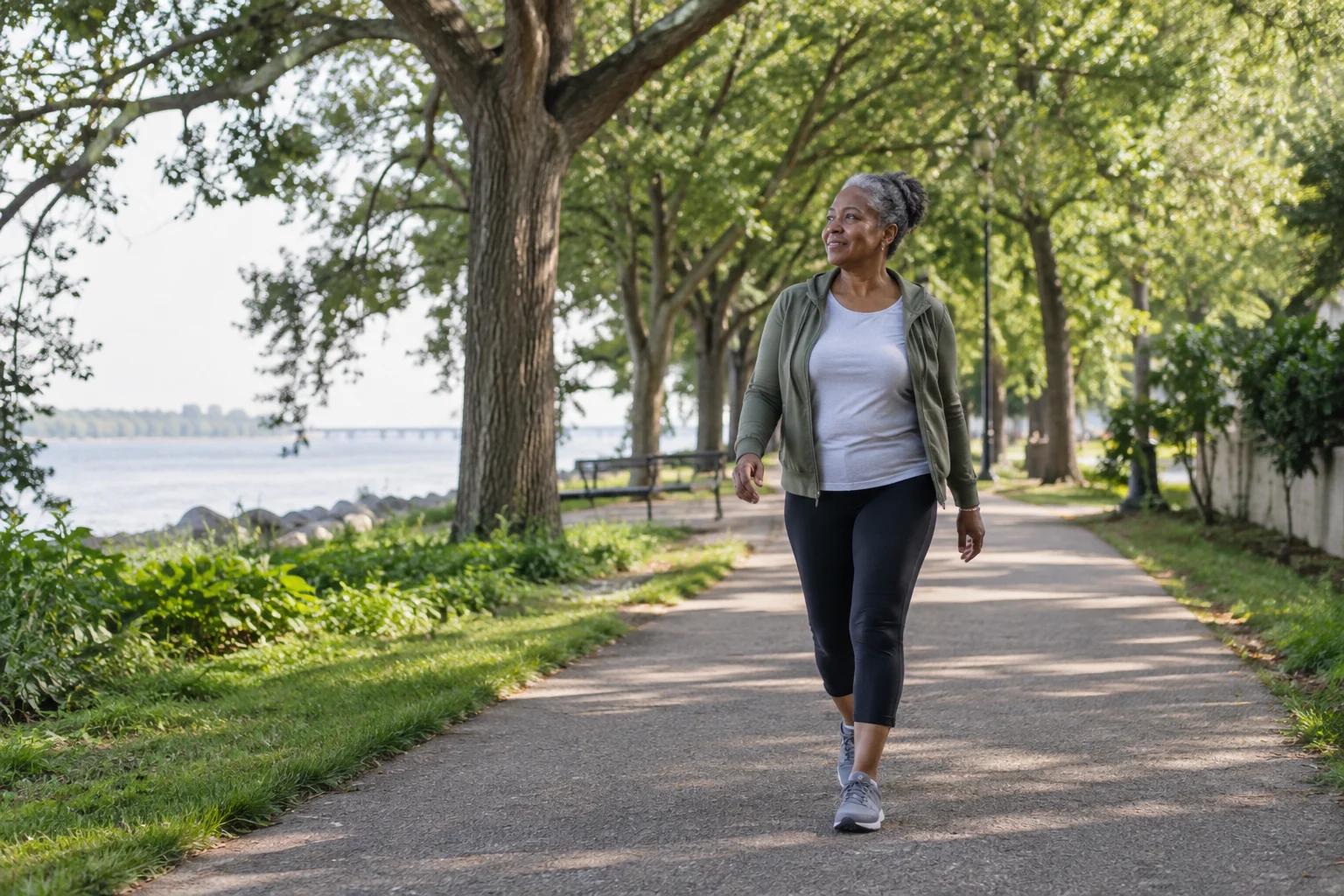
A woman walking along a park trail with walking poles

Are You a Candidate for Vein Treatment?

A vein evaluation may be appropriate if:

  • You have painful or bothersome varicose veins.
  • Your legs frequently ache, throb, or feel heavy.
  • You experience persistent ankle or lower-leg swelling.
  • Symptoms worsen after long periods of standing or sitting.
  • You've noticed skin discoloration or texture changes around the ankles.
  • You have a venous wound that isn't healing.
  • Conservative care isn't providing enough symptom relief.
  • You've had previous vein treatment and symptoms have returned.
  • You have visible spider or varicose veins and want to understand your options.

Not every visible vein requires medical intervention. Your evaluation helps distinguish cosmetic concerns from underlying venous disease.

Why Choose Georgina Health for Vein Care?

Effective vein care isn't simply about treating what you can see. It's about understanding what's happening within your circulation.

  1. 01

    Comprehensive Vascular Expertise

    Our team evaluates venous disease as part of your broader vascular health.

  2. 02

    Ultrasound-Guided Evaluation

    When appropriate, duplex ultrasound helps identify reflux and determine which veins are contributing to symptoms.

  3. 03

    Multiple Treatment Options

    With treatments such as radiofrequency ablation, Varithena, sclerotherapy, and compression, care can be matched to your specific venous anatomy.

  4. 04

    Vein + Wound Expertise

    For patients with venous ulcers, we can consider both the underlying circulation problem and the wound itself.

  5. 05

    Personalized Treatment Planning

    We consider symptoms, imaging, medical history, lifestyle, and individual goals before recommending treatment.

Take the Next Step Toward Healthier Legs

You don't have to accept aching, swelling, heaviness, or painful varicose veins as simply part of everyday life.

If you're experiencing symptoms of venous disease or you're unsure whether visible veins are cosmetic or a sign of something deeper, Georgina Health can help.

Our vascular team can evaluate your circulation, explain your options, and develop a plan designed around your health and goals.

Frequently Asked Questions

Are varicose veins just cosmetic?

Not always. Varicose veins may be associated with chronic venous insufficiency, particularly when they occur with aching, swelling, heaviness, skin changes, or wounds.

What causes varicose veins?

They commonly develop when venous valves don't function properly, allowing blood to flow backward and pool within superficial veins.

Do I need an ultrasound before treatment?

Patients with symptoms suggesting underlying venous insufficiency may undergo duplex ultrasound to evaluate vein function and reflux. The appropriate workup depends on the individual patient.

What happens to my blood when an abnormal vein is closed?

Blood redirects through functioning veins that can more effectively return it toward the heart.

What is the difference between radiofrequency ablation and Varithena?

Radiofrequency ablation uses thermal energy delivered through a catheter. Varithena uses an injectable microfoam to close certain abnormal veins. Your anatomy and disease pattern help determine which technique may be appropriate.

What is sclerotherapy used for?

Sclerotherapy is often used to treat smaller varicose, reticular, and spider veins by injecting medication that causes the targeted vein to close.

Can varicose veins come back?

Treated veins can remain closed, but venous disease may progress and new abnormal veins can develop over time.

Are vein treatments covered by insurance?

Medically necessary treatment for symptomatic venous disease may be covered when insurance criteria are met. Cosmetic treatment is commonly handled differently.

When should leg swelling be evaluated urgently?

Sudden one-sided swelling—particularly with pain, redness, warmth, chest pain, or shortness of breath—should receive prompt medical evaluation because it may indicate a condition more serious than routine varicose vein disease.

Vein Care & Varicose Vein Treatment in Fort Myers & Naples

Georgina Health provides comprehensive vascular and vein care for patients throughout Fort Myers, Naples, and Southwest Florida.

From visible varicose veins and persistent leg discomfort to chronic venous insufficiency, swelling, skin changes, and venous wounds, our team focuses on understanding the complete vascular picture.