


Georgina Health
All services

Peripheral Artery Disease (PAD) Treatment in Fort Myers and Naples

Comprehensive Vascular Care in Fort Myers & Naples

Leg pain when walking. Cold or numb feet. Changes in the skin. A wound that isn't healing.

These symptoms can be easy to dismiss, but they may indicate that your legs and feet aren't receiving the blood flow they need.

Peripheral Arterial Disease (PAD) occurs when narrowed or blocked arteries reduce circulation, most commonly in the lower extremities.

At Georgina Health, our vascular team evaluates the complete picture, from your symptoms and circulation to cardiovascular risk factors and wound healing, to create a personalized plan designed to protect mobility, improve quality of life, and support long-term vascular health.

A man pausing during a walk with a hand on his calf

Treatment at a glance

Better Circulation Starts With Understanding the Problem

PAD care isn't one-size-fits-all.

  • Comprehensive Vascular Evaluation

    We assess your symptoms, circulation, medical history, and vascular risk factors before recommending treatment.

  • Advanced Diagnostic Testing

    Vascular testing and imaging can help identify where blood flow is limited.

  • Minimally Invasive Options

    When revascularization is needed, many arterial blockages can be treated using catheter-based techniques.

  • Integrated Wound Care

    For patients with non-healing wounds, we can evaluate both the wound and circulation problems that may be interfering with healing.

  • Long-Term Vascular Health

    PAD treatment also includes managing the cardiovascular risks associated with atherosclerotic disease.

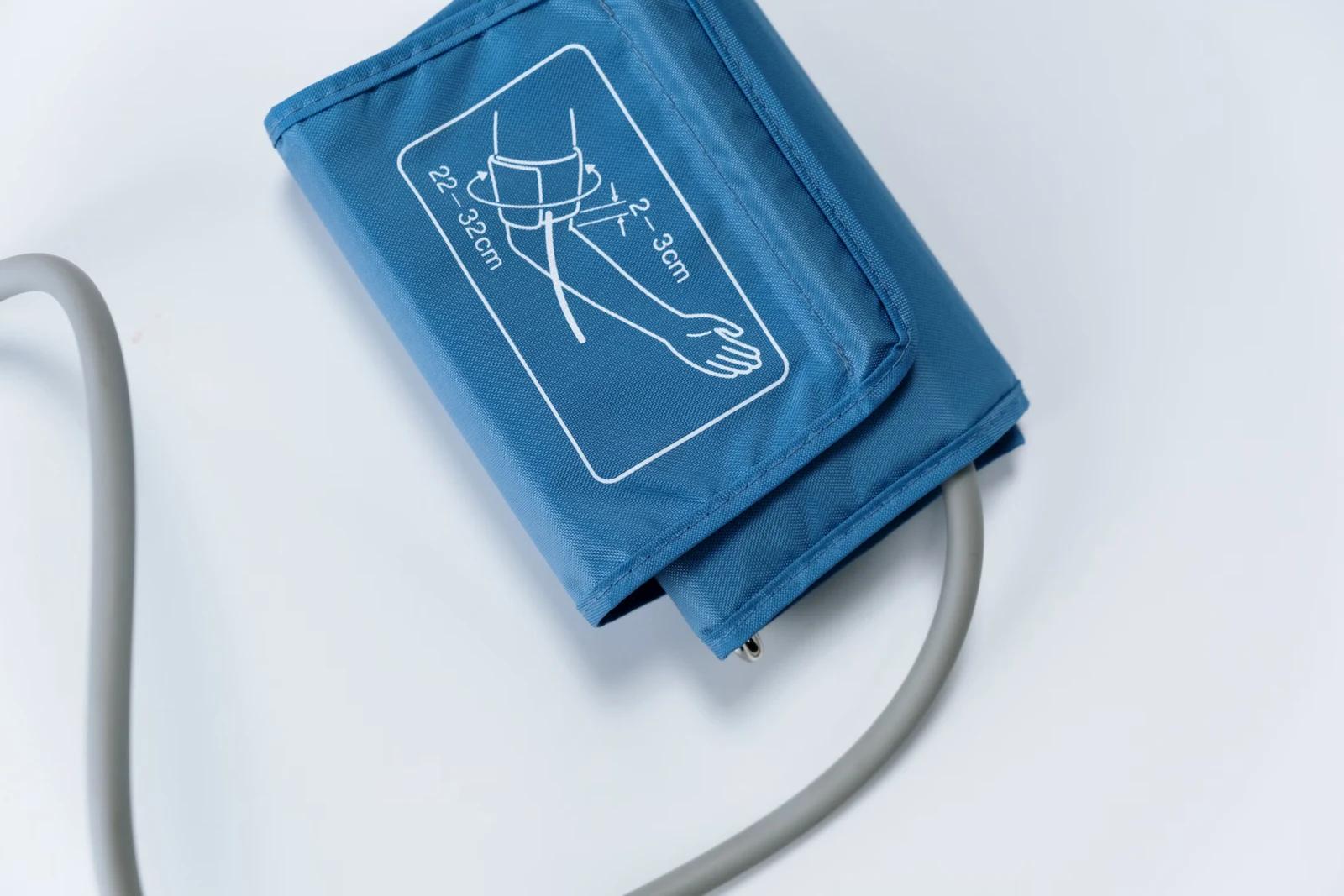
A blood-pressure cuff used for noninvasive measurements

Peripheral Artery Disease Symptoms and Poor Circulation

When Your Legs Aren't Receiving Enough Blood

PAD most commonly develops because of atherosclerosis—the buildup of plaque within arteries.

As arteries narrow, less oxygen-rich blood reaches muscles, skin, and other tissues in the legs and feet.

Symptoms may include:

  • Leg pain or cramping during walking
  • Pain that improves with rest
  • Leg heaviness or fatigue
  • Numbness or weakness
  • Coldness in the foot or lower leg
  • Skin color changes
  • Slow-growing toenails
  • Reduced hair growth
  • Weak foot pulses
  • Wounds that heal slowly
  • Foot or toe pain while resting in advanced disease

Some people with PAD don't experience classic symptoms.

PAD is also important because it reflects atherosclerotic disease and is associated with increased cardiovascular risk.

PAD Treatment Options: Evaluation and What to Expect

A clipboard, stethoscope, and medication for a health review

How Is PAD Evaluated?

Your evaluation begins with your symptoms, medical history, vascular risk factors, and physical examination.

Depending on your condition, testing may include:

  • Ankle-Brachial Index
  • Doppler testing
  • Vascular ultrasound
  • CT angiography
  • MR angiography
  • Catheter angiography
  • Additional circulation testing when appropriate

These results help determine where blood flow is limited and whether conservative care, medication, revascularization, wound treatment, or a combination of approaches is appropriate.
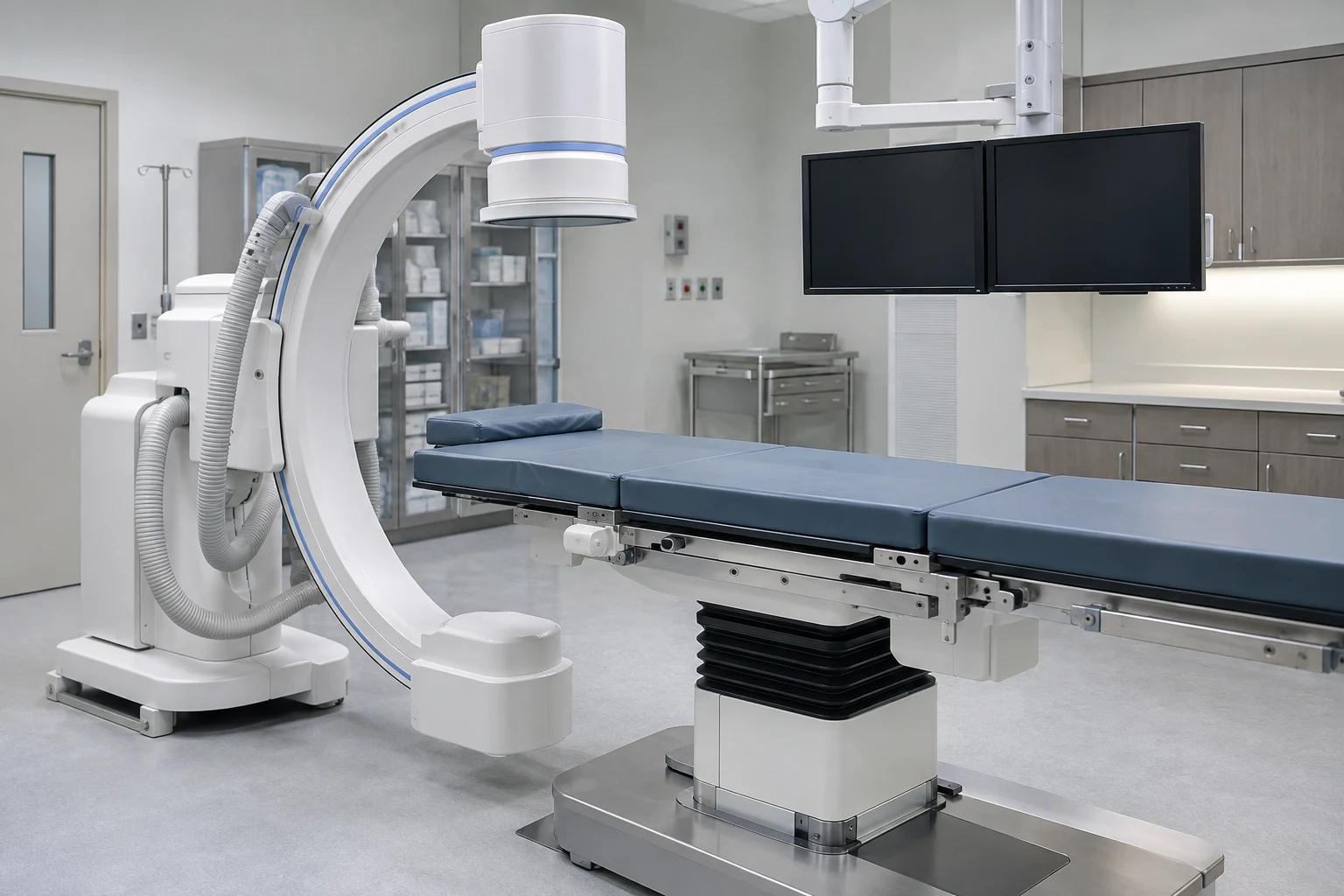
Illustrative image of a procedure room with fluoroscopy equipment

What Happens During Minimally Invasive PAD Treatment?

When narrowed or blocked arteries are significantly affecting circulation, endovascular treatment may be considered.

Depending on the arterial disease, treatment may include angioplasty, stenting, atherectomy, or another revascularization technique.

A typical endovascular procedure may involve:

  1. Creating a small arterial access point.
  2. Guiding a catheter toward the diseased artery.
  3. Using contrast imaging to identify the narrowing or blockage.
  4. Crossing the diseased area with specialized wires and catheters.
  5. Using the selected technique to improve blood flow.
  6. Confirming improved circulation with imaging.
  7. Removing the catheter and closing the access site.

The exact approach depends on the location and characteristics of the arterial disease.

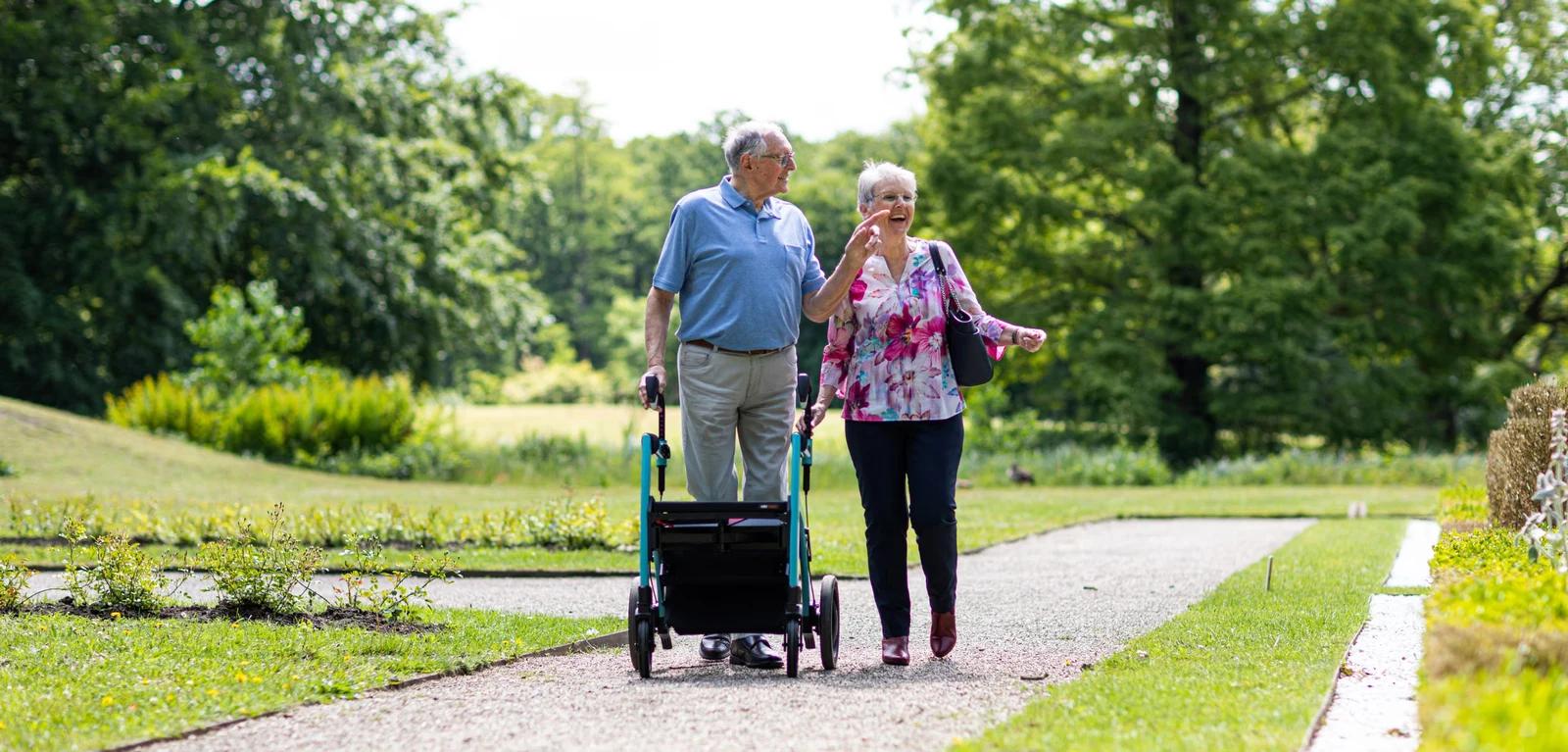
An older couple walking in a park with a walking aid

What Symptoms May Improve With PAD Treatment?

Appropriate PAD treatment may help address:

  • Walking-related leg pain
  • Leg fatigue
  • Reduced walking ability
  • Ischemic rest pain
  • Poor circulation affecting wound healing
  • Symptoms that limit mobility and everyday activities

Not every patient with PAD needs a procedure.

What Does the Research Say About PAD Treatment?

Modern PAD care involves much more than opening a blocked artery.

Current cardiovascular guidelines recommend comprehensive treatment of vascular risk factors, which may include antiplatelet or antithrombotic therapy when appropriate, cholesterol management, blood-pressure treatment, diabetes management, smoking cessation, and structured exercise.

For patients with chronic symptomatic PAD, structured exercise is a core component of treatment.

Revascularization may be considered when functionally limiting symptoms remain despite appropriate medical therapy and exercise.

For patients with chronic limb-threatening ischemia—including severe circulation problems associated with rest pain, tissue loss, or non-healing wounds—restoring blood flow can be an important part of wound healing and limb preservation.

At Georgina Health, intervention is recommended based on the individual patient's disease severity, symptoms, anatomy, and health—not simply because a blockage is visible on imaging.

Illustrative lifestyle scene of everyday activities

Are You a Candidate for Vascular Evaluation or Treatment?

A vascular evaluation may be appropriate if:

  • You experience leg pain or cramping when walking.
  • Your legs frequently feel tired, weak, heavy, or numb.
  • One foot feels noticeably colder than the other.
  • You have a wound on your foot or leg that isn't healing.
  • You've noticed changes in the color or appearance of your feet.
  • You've already been diagnosed with PAD and symptoms are worsening.
  • Walking limitations persist despite medical management.
  • You have cardiovascular risk factors along with concerning leg or foot symptoms.
  • You've been told you may need a vascular procedure and want to better understand your options.

Why Choose Georgina Health for Peripheral Artery Disease Treatment?

Treating PAD requires more than identifying an arterial blockage. Effective care means understanding how vascular disease is affecting the entire patient.

  1. 01

    Comprehensive Vascular Expertise

    Our team evaluates and treats arterial disease using modern vascular diagnostics and minimally invasive techniques.

  2. 02

    Minimally Invasive Revascularization

    When intervention is appropriate, catheter-based procedures may improve circulation without traditional open vascular surgery.

  3. 03

    Vascular + Wound Care

    Poor circulation and non-healing wounds are closely connected. Our approach allows both problems to be evaluated together.

  4. 04

    Whole-Patient Treatment Planning

    We consider symptoms, anatomy, cardiovascular health, mobility, wounds, and long-term goals.

  5. 05

    Ongoing Vascular Management

    PAD is a chronic disease. Long-term follow-up and cardiovascular risk management remain important even after successful intervention.

Take the Next Step Toward Better Circulation

You don't have to wait until leg pain becomes severe or a wound becomes an emergency before addressing your vascular health.

If you're experiencing symptoms of poor circulation, have been diagnosed with PAD, or have a wound that isn't healing, Georgina Health can help identify the underlying problem and determine the appropriate next step.

Frequently Asked Questions

What is Peripheral Arterial Disease?

PAD is a circulatory condition in which arteries—most commonly those supplying the legs—become narrowed or blocked.

What does PAD leg pain feel like?

A classic symptom is claudication, which may feel like cramping, aching, fatigue, or heaviness during walking and often improves with rest.

Is PAD dangerous?

PAD can become serious when blood flow is severely reduced. It is also associated with increased cardiovascular risk.

Can PAD be treated without surgery?

Yes. Treatment may include medication, structured exercise, smoking cessation, cardiovascular risk management, and minimally invasive procedures when appropriate.

Does everyone with PAD need angioplasty or a stent?

No. Revascularization is recommended selectively based on symptoms, disease severity, response to conservative treatment, anatomy, and limb health.

Can PAD cause wounds that won't heal?

Yes. Poor arterial circulation can limit the oxygen and nutrients needed for normal wound healing.

What is limb salvage?

Limb salvage is coordinated care intended to improve circulation, treat wounds and infection, preserve viable tissue, and reduce the risk of major amputation when a limb is threatened.

What's the difference between PAD and venous insufficiency?

PAD affects arteries carrying blood toward the legs. Venous insufficiency affects veins returning blood toward the heart.

Can PAD come back after treatment?

PAD is a chronic form of vascular disease. Disease can progress and treated vessels can narrow again, so long-term management remains important.

PAD & Vascular Care in Fort Myers & Naples

Georgina Health provides comprehensive vascular care for patients throughout Fort Myers, Naples, and Southwest Florida.

From early symptoms of poor circulation to advanced PAD and wounds affected by arterial disease, our team combines vascular evaluation, minimally invasive treatment, and advanced wound expertise to address the complete picture.