


Georgina Health
All services

Pelvic Congestion Syndrome (PCS) Treatment in Fort Myers and Naples

Minimally Invasive Treatment for Pelvic Venous Disorders in Fort Myers & Naples

Living with chronic pelvic pain can be frustrating—especially when appointments, testing, and treatments haven't provided a clear explanation for what you're feeling.

For some patients, the source may be abnormal veins within the pelvis, a condition commonly called Pelvic Congestion Syndrome (PCS) or part of the broader spectrum of pelvic venous disorders.

At Georgina Health, our vascular and interventional team evaluates pelvic circulation and provides image-guided treatments designed to address abnormal veins that may be contributing to chronic pelvic symptoms.

A woman resting in an armchair beside a window

Treatment at a glance

Pelvic Congestion Syndrome Pain Relief Without Open Surgery

Pelvic venous disease requires a different approach than simply treating pain.

  • Minimally Invasive

    Abnormal pelvic veins can often be treated from within the vascular system using a small catheter.

  • Image-Guided Precision

    Advanced imaging helps identify veins demonstrating abnormal reflux or congestion.

  • Targets the Venous Problem

    Embolization closes selected abnormal veins rather than simply masking symptoms.

  • Outpatient Treatment

    Pelvic vein embolization can generally be performed without traditional open surgery.

  • Focused on Finding the Cause

    Because pelvic pain has many potential sources, our evaluation considers whether vascular disease truly explains the patient's symptoms.

Illustrative image of a woman walking along a palm-lined coastal path

Pelvic Congestion Syndrome: Understanding the Cause

Chronic Pelvic Pain Can Have Many Sources

Veins carry blood back toward the heart. Small valves help prevent blood from flowing backward.

When valves within the ovarian or pelvic veins don't function properly or when other venous problems interfere with normal circulation, blood can pool within the pelvis and veins may enlarge.

For some patients, this abnormal circulation is associated with persistent pelvic symptoms.

Symptoms can include:

  • Dull or aching pelvic pain
  • Pelvic pressure or heaviness
  • Pain that worsens after prolonged standing
  • Pain that becomes more noticeable later in the day
  • Pain during or after intercourse
  • Lower abdominal discomfort
  • Lower back discomfort
  • Visible varicose veins around the vulva, buttocks, or upper thighs

Pelvic pain may also come from gynecologic, gastrointestinal, urinary, musculoskeletal, neurologic, and other conditions.

For that reason, enlarged pelvic veins on imaging don't automatically establish that those veins are causing the pain.

What You Need to Know About Pelvic Vein Embolization

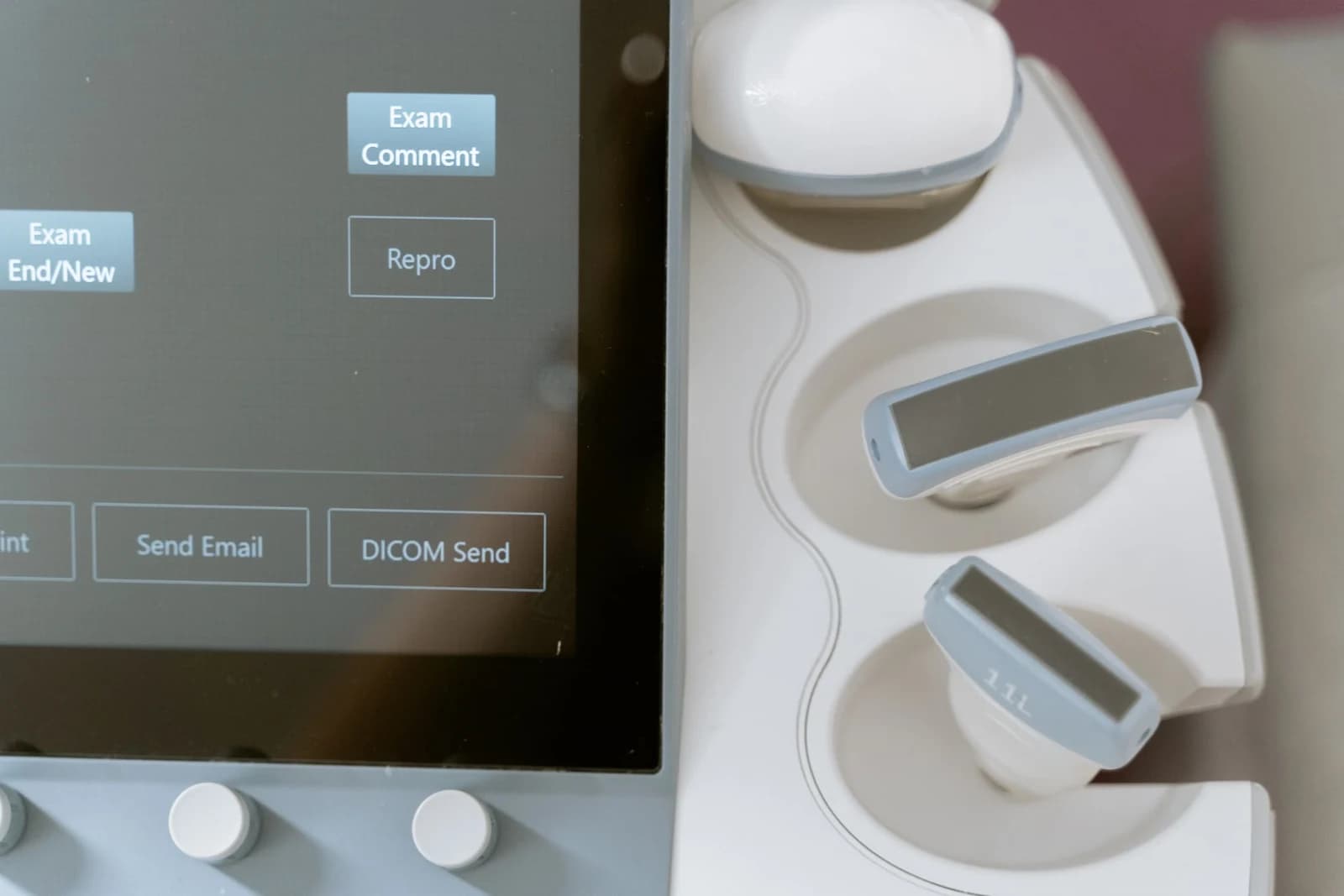
Ultrasound equipment with several imaging probes

What Is Pelvic Vein Embolization?

Pelvic vein embolization is a minimally invasive image-guided procedure used to close selected abnormal veins associated with pelvic venous disease.

An interventional radiologist guides a small catheter through the venous system to the abnormal ovarian or pelvic veins.

Venography provides detailed imaging of blood flow and venous anatomy.

Once the problematic veins have been identified, coils, vascular plugs, sclerosants, or other embolic materials may be used to close them.

Blood then redirects through healthier venous pathways.
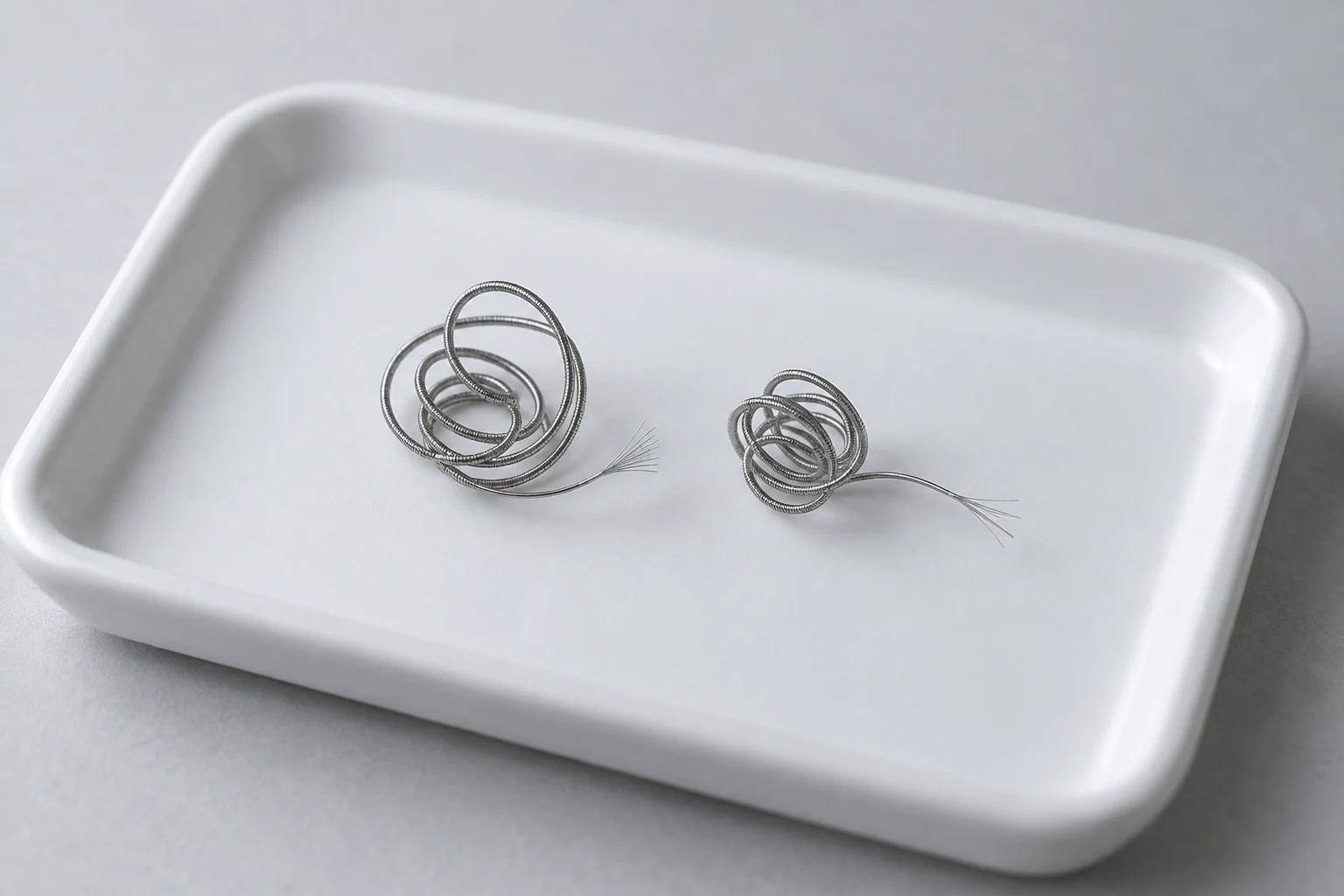
Illustrative embolization coils on a clinical tray

What Happens During Pelvic Vein Embolization?

Treatment begins with a detailed evaluation of symptoms, medical history, previous testing, and available imaging.

Depending on the situation, ultrasound, CT, MRI, or additional venous imaging may be recommended.

During treatment:

  1. A small access point is created in a vein.
  2. A thin catheter is guided through the venous system.
  3. Contrast imaging maps the pelvic veins and identifies abnormal reflux.
  4. The physician navigates to the targeted ovarian or pelvic veins.
  5. Embolization materials are delivered to close the selected veins.
  6. Blood redirects through healthier venous pathways.

  7. The catheter is removed and the access site is closed.

The procedure is generally performed with local anesthesia and sedation rather than open pelvic surgery.

Close-up of a woman writing in a planner

What Symptoms May Treatment Improve?

For appropriately selected patients with confirmed pelvic venous disease, embolization may help improve:

  • Persistent pelvic aching
  • Pelvic pressure
  • Pelvic heaviness
  • Pain associated with prolonged standing
  • Pain during or after intercourse
  • Lower abdominal discomfort
  • Symptoms that worsen throughout the day
  • Symptoms related to pelvic or vulvar varicose veins

What Does the Research Say About Pelvic Vein Embolization?

Pelvic vein embolization has been used for years as a minimally invasive treatment for symptomatic pelvic venous disorders.

A 2024 systematic review involving more than 2,000 patients found that the included studies generally reported improvement in pelvic pain following transcatheter embolization and demonstrated high rates of technical procedural success.

At the same time, the authors noted limitations in the overall quality of available evidence.

Diagnosis remains particularly important because abnormal pelvic veins can exist without causing symptoms, and chronic pelvic pain has many possible causes.

At Georgina Health, treatment decisions therefore consider the relationship between your symptoms, imaging findings, medical history, and other possible diagnoses rather than treating an abnormal scan alone.

A woman stretching on a yoga mat at home

Are You a Candidate for Pelvic Vein Embolization?

Treatment may be worth discussing if:

  • You've experienced chronic pelvic pain for several months.
  • Pain or pressure worsens after prolonged standing.
  • Symptoms become more noticeable later in the day.
  • You experience pain during or after intercourse.
  • Imaging has identified abnormal pelvic or ovarian veins.
  • Other common causes of chronic pelvic pain have been considered.
  • Conservative treatment hasn't provided adequate relief.
  • You want to explore a minimally invasive vascular treatment.

Not everyone with chronic pelvic pain or enlarged pelvic veins has PCS. Accurate diagnosis is an important part of determining whether embolization is appropriate.

Why See a Pelvic Congestion Syndrome Specialist?

Pelvic venous disease requires an understanding of both complex vascular anatomy and the many potential causes of chronic pelvic symptoms.

  1. 01

    Vascular & Interventional Expertise

    Our team specializes in diagnosing and treating vascular conditions using minimally invasive image-guided techniques.

  2. 02

    Advanced Venous Imaging

    Imaging can help us understand pelvic circulation and identify abnormal reflux.

  3. 03

    Diagnosis Before Intervention

    We don't treat enlarged veins simply because they're visible on a scan. Symptoms and imaging must make sense together.

  4. 04

    Personalized Treatment Planning

    Every patient's pain history, vascular anatomy, previous testing, and medical needs are different.

  5. 05

    Minimally Invasive Care

    When embolization is appropriate, treatment is performed through a small catheter rather than traditional pelvic surgery.

Find Answers for Chronic Pelvic Pain

Persistent pelvic pain can affect work, relationships, exercise, sleep, and everyday quality of life.

If you've been diagnosed with Pelvic Congestion Syndrome or have been told abnormal pelvic veins may be contributing to your symptoms, Georgina Health can help you understand your options.

Frequently Asked Questions

Is Pelvic Congestion Syndrome the same as pelvic venous insufficiency?

The terminology continues to evolve. PCS traditionally describes chronic pelvic symptoms associated with abnormal pelvic veins, while pelvic venous disorders is a broader term covering different patterns of abnormal venous circulation.

How is PCS diagnosed?

Diagnosis usually involves symptoms and imaging together. Ultrasound, CT, MRI, and venography may be used depending on the patient.

What causes Pelvic Congestion Syndrome?

Abnormal reflux within ovarian or pelvic veins can contribute. Valve dysfunction, pregnancy-related changes, hormonal influences, and venous compression may play a role in some patients.

Is pelvic vein embolization major surgery?

No. Treatment is performed through a catheter inside the venous system.

Does embolization remove my ovaries or uterus?

No. Treatment targets selected abnormal veins.

How long does recovery take?

Recovery varies but is generally less extensive than recovery from open pelvic surgery.

Can PCS symptoms come back?

Yes. Symptoms can persist or recur, particularly if additional abnormal veins or another condition are contributing.

Is PCS treatment covered by insurance?

Coverage varies based on insurance, diagnosis, medical necessity, and the procedure recommended.

Pelvic Congestion Syndrome Treatment in Fort Myers & Naples

Georgina Health provides vascular and minimally invasive interventional care for patients throughout Fort Myers, Naples, and Southwest Florida.

If chronic pelvic pain or abnormal pelvic veins are affecting your quality of life, we can help determine whether pelvic venous disease may be contributing.